Research · Last-Mile Logistics
From Warehouse to Doorstep: The Journey of E-commerce Goods
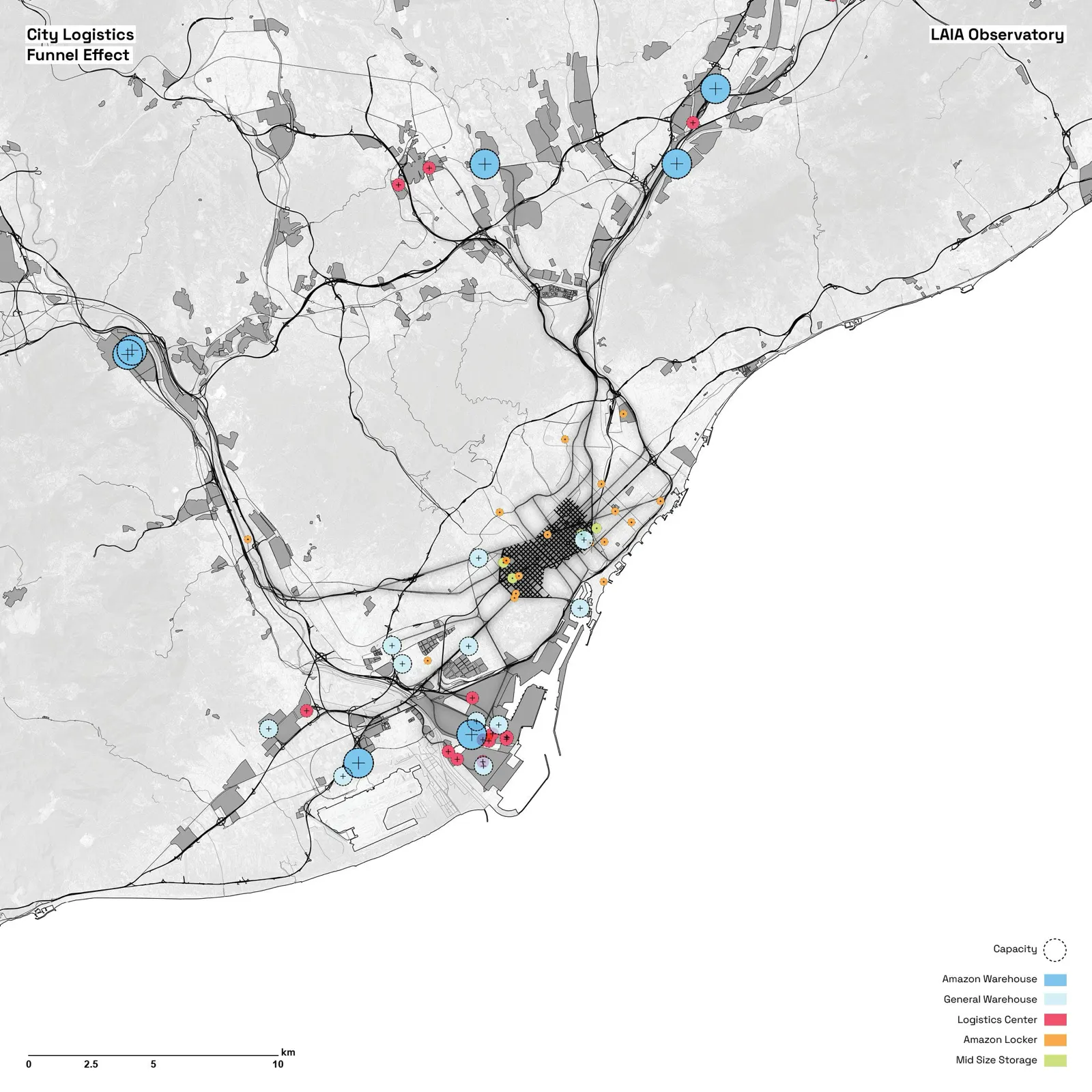
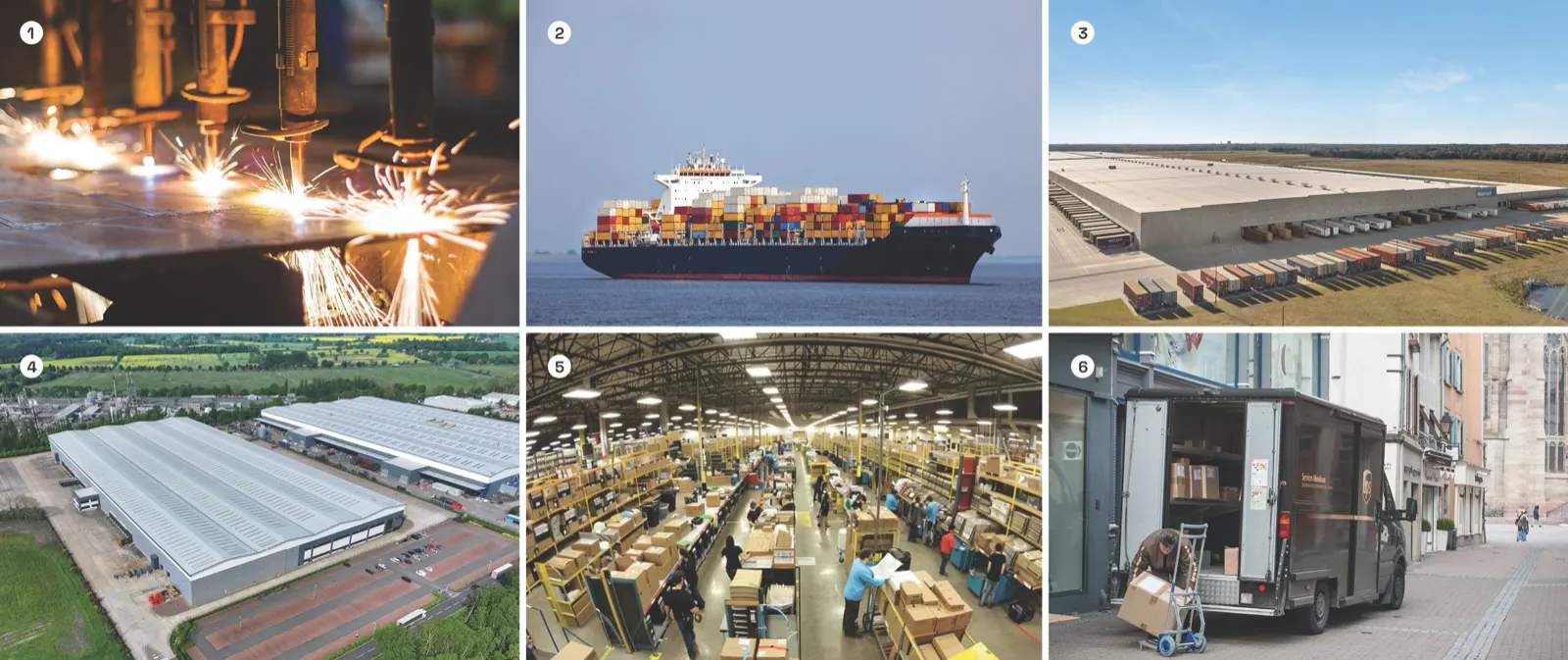
Logistics for e-commerce follow a complex network that is consistently looking for improvements. E-commerce giants not only invest in their online marketplaces but also in logistics infrastructure. To fully understand how logistics work, here is a simplified flow of logistics from international to customer, highlighting where local distribution centers and fulfillment centers might fit in:
Logistics Flow and its Operational Scale
1. International Manufacturing or Sourcing
Goods are either manufactured or sourced internationally. This could be from factories in China, Europe, or other locations where production costs or resources are favorable.
2. International Shipping
Products are shipped in bulk via ocean freight, air freight, rail, or trucking to the destination country. This often involves customs clearance, which might be handled at a port or international gateway.
Jump in Scale: At this stage, the operation involves bulk handling, with large volumes shipped across countries and continents.
3. National Distribution Centers (NDCs)
These are often the first stop within the destination country. Here, large shipments are broken down into smaller lots. Their function involves sorting, initial quality checks, and sometimes, light assembly or packaging adjustments for local market compliance.
Jump in Scale: The transition from international shipping to NDCs reduces the scale, as shipments are broken down from container loads into more manageable quantities for national distribution.
4. Local Distribution Centers (LDCs)
Goods are then moved to local distribution centers, which are strategically located to serve specific regions or cities. Their main functionality involves: a) storage of inventory for quicker distribution, b) breaking bulk to further divide shipment for local deliveries or smaller retail outlets, c) and cross-docking products for immediate redistribution without long-term storage.
Jump in Scale: Moving from NDCs to LDCs shifts the focus from bulk national distribution to more targeted regional handling. The scale narrows as shipments are tailored for specific areas or cities.
5. Fulfillment Centers
These centers are where the final steps before customer delivery occur. They might be operated by e-commerce giants like Amazon or third-party logistics (3PL) providers. Their function involves: a) order processing to picking, packing, and preparing individual customer orders, b) customer service to handling returns and customer inquiries related to orders, c) last-mile delivery to coordinating with courier services for final delivery to the customer.
Jump in Scale: Here, the scale reduces significantly from regional distribution to individual orders, focusing on precision, efficiency, and customer satisfaction.
6. Last-Mile Delivery
From the fulfillment center, products are shipped directly to the customer. Depending on the service level offered, this could involve various delivery methods such as standard shipping, express, or even same-day delivery.
Jump in Scale: The final shift in scale involves handling individual packages or small batches, prioritizing speed and accuracy for direct customer delivery.
Conclusion
This flow illustrates how logistics scales from international bulk to individual customer delivery, optimizing each step for cost, speed, or customer experience. Local distribution centers bridge the gap between national distribution and the more personalized service of fulfillment centers, ensuring goods are positioned efficiently for final delivery.
Originally published on Medium on 15 October 2024: read the original.