Research · Last-Mile Logistics
Dissecting the Last Mile Logistics Landscape
The demand for online shopping is rapidly increasing. Internet penetration, smartphone adoption, and a growing urban population allow customers worldwide to order almost anything online. This trend is increasing comfort standards and improving time management globally. Online marketplaces are developing sophisticated infrastructures to improve delivery times and costs to absorb this demand.
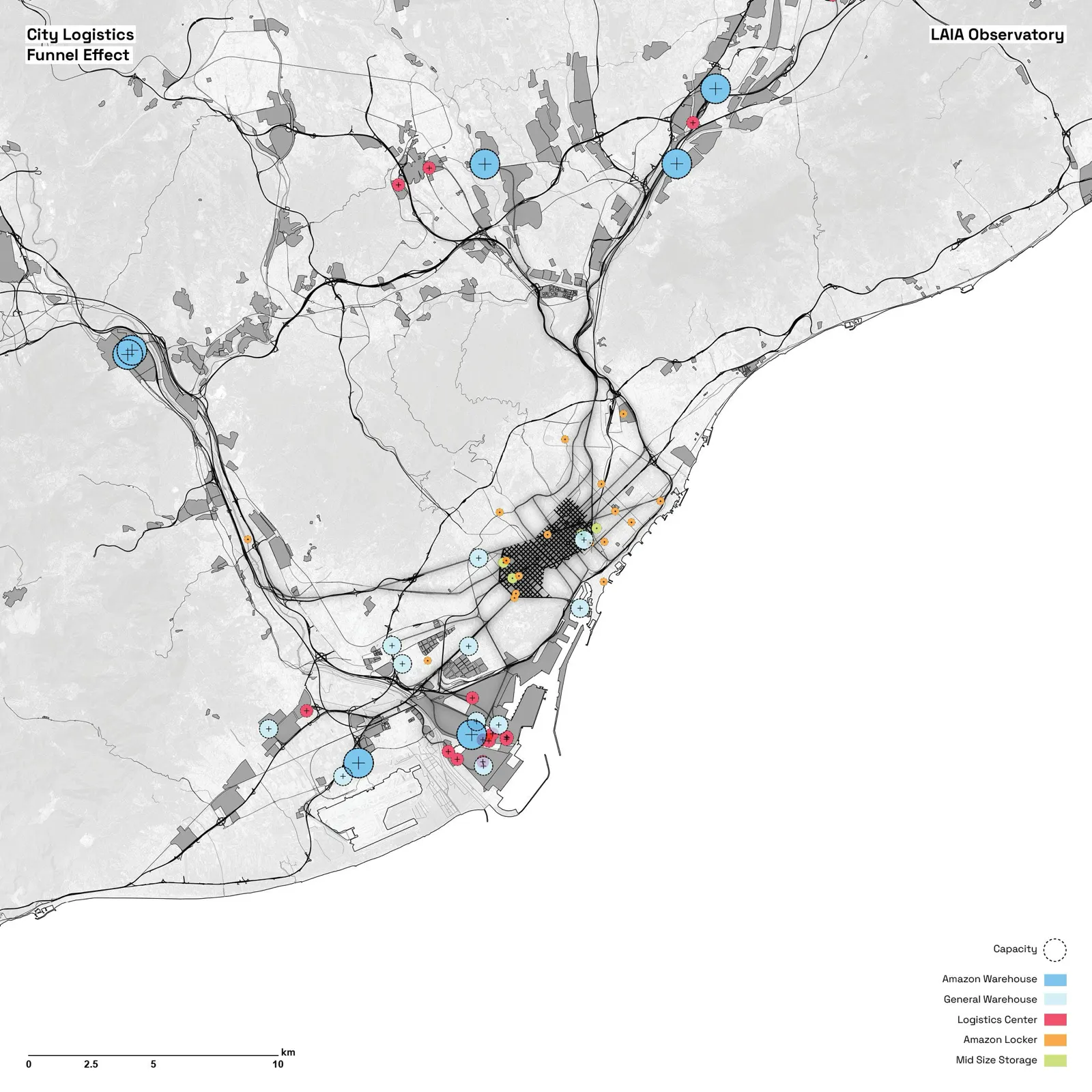
The goods and services purchased through e-commerce are delivered through a logistics network that primarily serves urban areas. The part of the supply chain in charge of delivering the physical goods and services purchased is the last-mile logistics. This final stretch of the supply chain has the greatest impact on our daily lives, public spaces, and shipping expenses.
What is Last-mile Logistics?
In its simplest definition, last-mile logistics is the last part of the supply chain management. It involves the delivery of goods and services from the transportation hub to the customer’s doorstep. However, due to the multiple actors and the intertwined networks that make up this part of the supply chain, it is important to take a deeper look at what last-mile logistics entails.
This section of the supply chain accounts for 53% of the overall shipping expenses (3), making cost-efficient deliveries and same-day deliveries top priorities in the industry. For this, companies are investing in automation technologies, electric vehicles, data management, and navigation systems.
Large online marketplaces are setting new standards in e-commerce by not only providing online marketplaces but also by building their delivery infrastructures. For example, Alibaba alone is investing $15 billion in the field (2). Meanwhile, many retailers struggle to scale their delivery fleets and are forced to outsource their delivery networks.
A fast-growing industry
The last-mile logistics industry is rapidly growing. Retail e-commerce is expected to grow about 40% until 2030 (1) and currently accounts for over 20% of total retail sales globally (2) — equivalent to 6 trillion US dollars. With this growth, demand for last-mile delivery is expected to increase by 78% globally by 2030 (2).
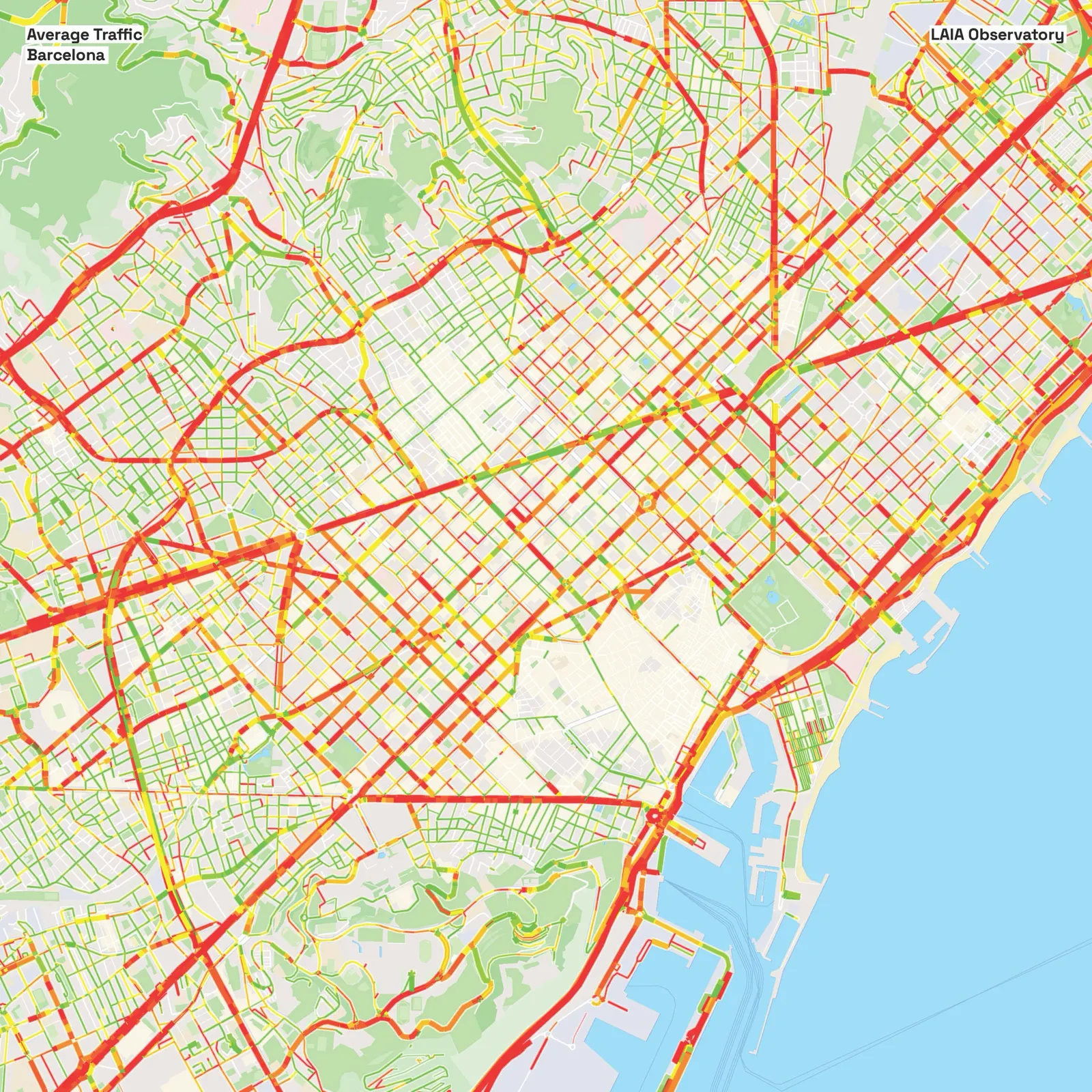
This rising demand brings numerous challenges to our cities. For example, e-commerce is projected to lead to a 30% increase in urban traffic by 2030 (2). In addition to traffic congestion, other challenges such as pavement encroachment, theft, riots, and adverse weather conditions remain in question. These challenges not only pose risks to operators but also impact the overall well-being of citizens.
Those able to innovate and outperform their competitors with emerging technologies have the potential to impact the daily lives of over 5 billion people globally by 2030. For innovation to succeed, innovators have to understand the last-mile delivery industry so they provide efficient solutions for this sector.
Scales of Last-Mile Logistics
This chapter breaks down the fundamental components of last-mile logistics. To better understand how it operates, it’s essential to distinguish between two main categories: weight and operational scale. These distinctions help innovators address the various opportunities within each category, enabling them to create either multi-dimensional or targeted solutions.
Weight
- Freight Delivery: This involves transporting heavier items (above 32 kg), such as furniture or store replenishments.
- Parcel Delivery: Refers to smaller, lightweight items typically oriented towards individual consumers (e.g., clothing, electronics, small household goods).
Operational Scale
- City Scale: Involves logistics primarily focused on freight deliveries. This significantly impacts traffic congestion and pollution, particularly in urban centers where heavy vehicles operate.
- Neighborhood Scale: A mix of both freight and parcel deliveries. In this case, delivery vehicles may block roads, and waste from packaging materials becomes a more noticeable issue.
- Unit Scale: Primarily focuses on parcel deliveries to individual units (homes or businesses), where privacy and security concerns are prominent challenges, especially in residential areas.
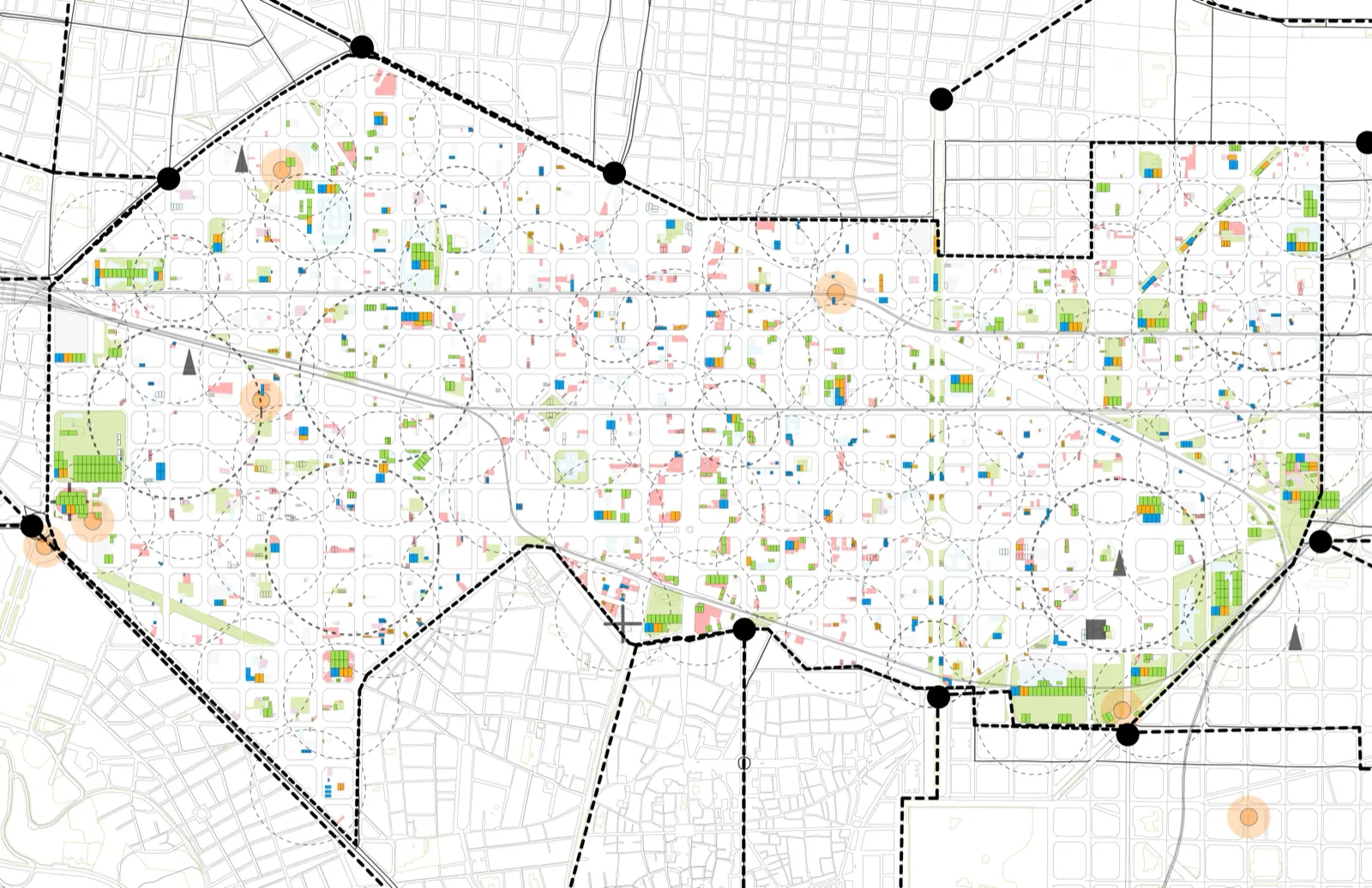
Online penetration of products
Some goods and services have adapted better to the online marketplace than others. Currently, about 20% of retail purchases are made online, and over 80% of consumers have shopped online within the past three months (2). However, not every good and service has fully transitioned to the online space.
On the one hand, products with high online penetration include clothing, toys, electronics, and computer peripherals. On the other hand, goods such as groceries and health products have lower online market penetration. That said, companies like Instacart are expanding the adoption of online grocery shopping and other categories with lower online presence.
Innovations
The main challenge companies are looking to solve is traffic congestion and pollution. For this, established companies involved in deliveries, such as IKEA, are heavily investing in transitioning their delivery fleets to Electrical Vehicles (EVs), upgrading navigation technologies, and integrating delivery lockers. Meanwhile, local governments are adapting their regulatory framework to tackle these challenges, such as removing diesel cars and imposing restrictions on double parking.
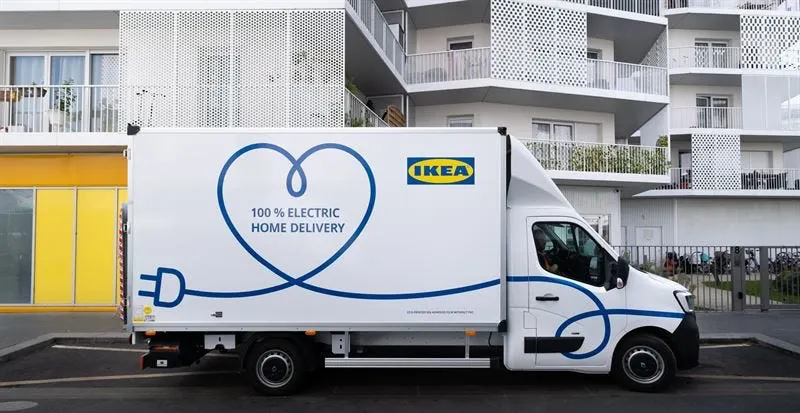
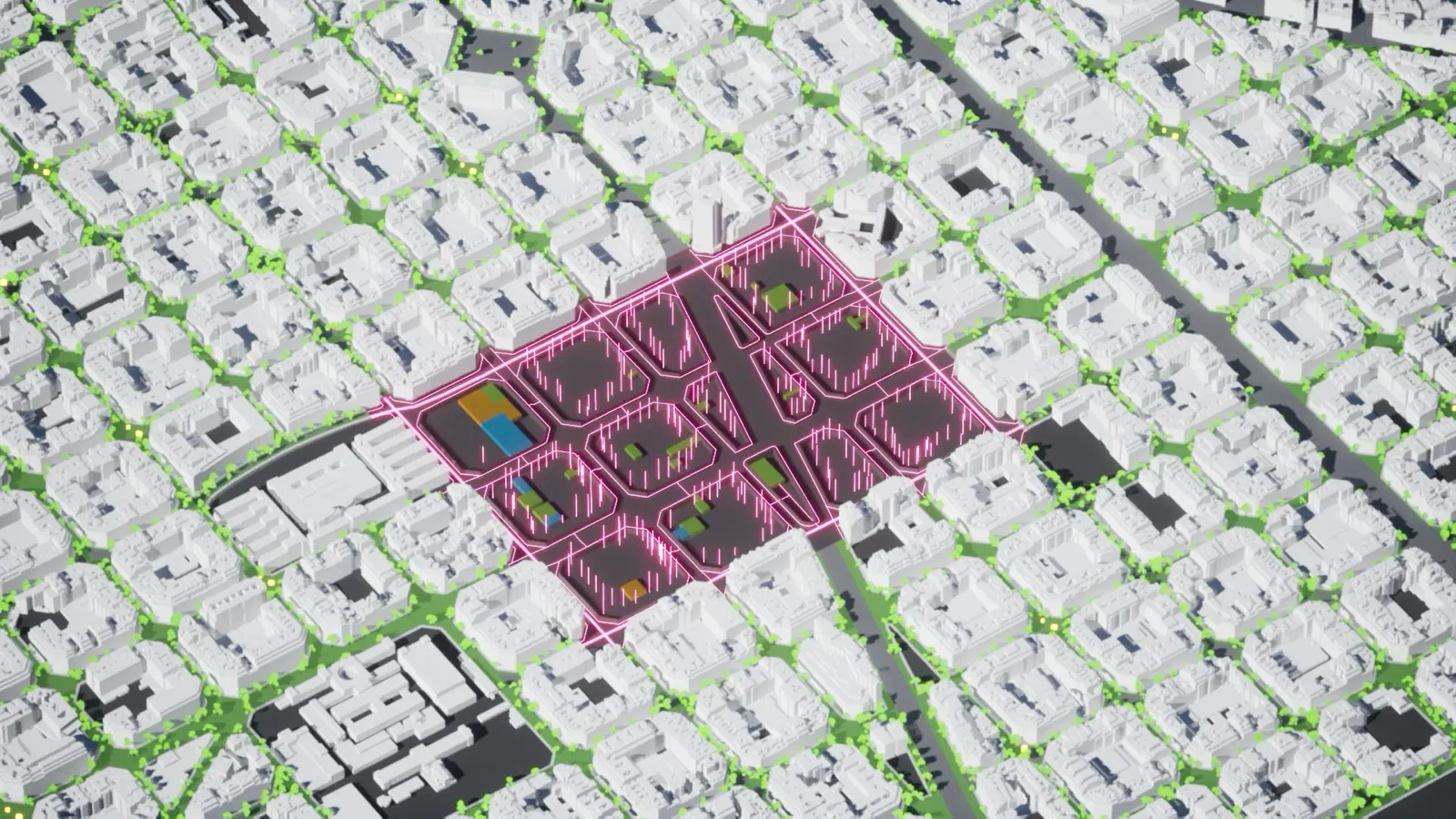
To further reduce emissions and ease urban congestion, some companies are experimenting with micro-distribution hubs strategically placed within cities. These hubs, combined with the use of electric cargo bikes, shorten delivery distances and reduce delivery times. This approach not only cuts down on traffic but also allows for more efficient service in densely populated areas.
Another avenue of innovation involves crowdsourced delivery platforms like Uber Eats and Postmates. These platforms enable individuals to participate in last-mile logistics, reducing the strain on traditional delivery companies. By leveraging a flexible labor force, companies can respond more rapidly to demand spikes. However, concerns remain regarding labor conditions, delivery efficiency, and consistency in service.
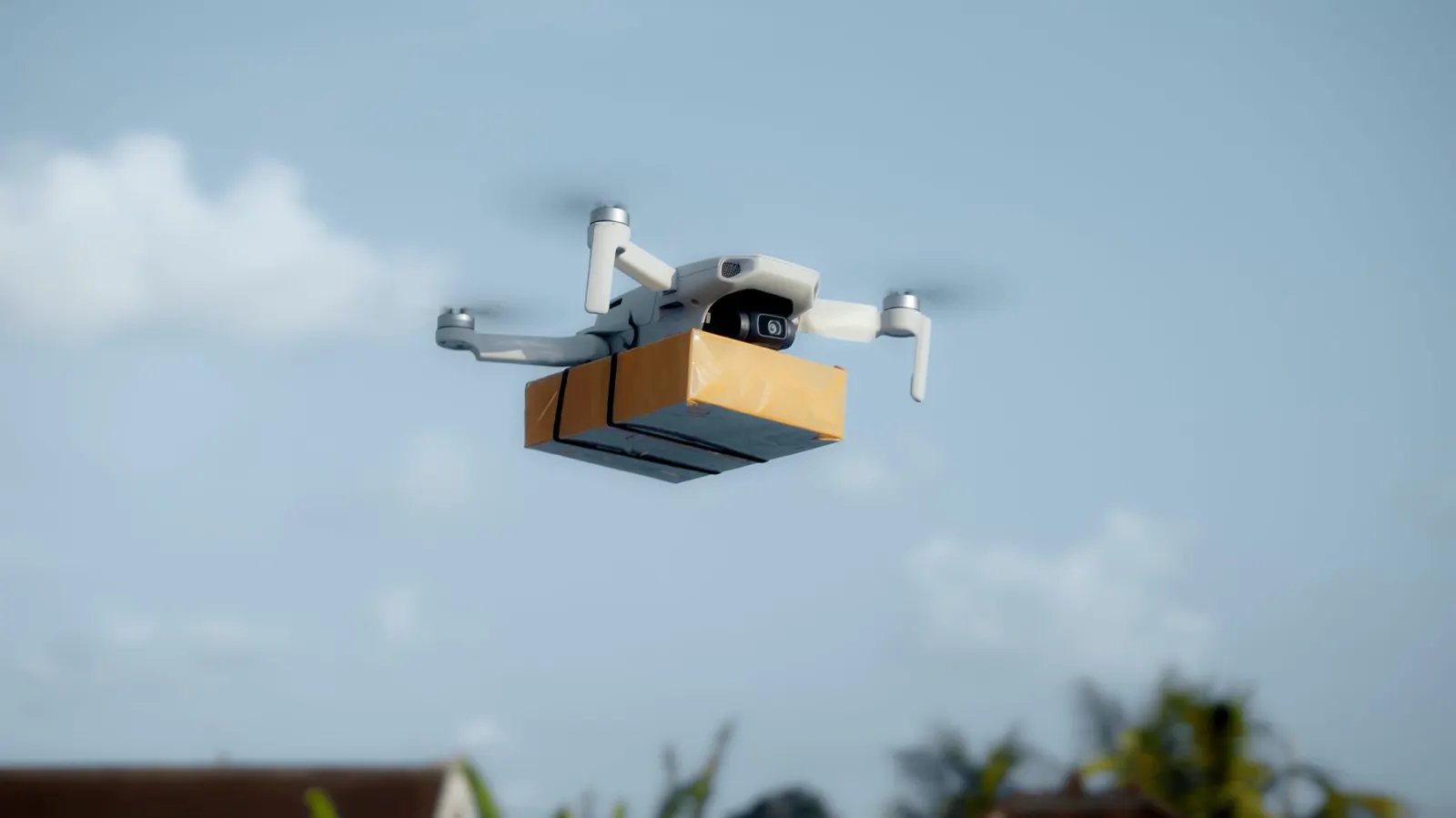
In parallel, the industry is exploring aerial delivery systems, such as drones, which transport parcels across urban environments. These systems promise faster deliveries, especially in areas with high traffic congestion. However, drones face significant challenges, including limited load capacity and the risks associated with flying over populated areas, which raise safety and privacy concerns.
Autonomous delivery robots are also gaining traction, particularly for smaller parcels. These robots navigate sidewalks and deliver items directly to customers’ doorsteps, with parcels stored in secure, locked compartments. Upon arrival, the customer unlocks the robot to access their package. While this method reduces the need for human labor and could streamline deliveries, robots remain vulnerable to outdoor risks such as vandalism and theft.
In addition, beyond transitioning to EVs, businesses are adopting eco-friendly packaging and exploring circular logistics systems — such as reusable packaging — to reduce waste. These initiatives align with consumers’ increasing demand for environmentally conscious services and contribute to minimizing the environmental impact of last-mile logistics.
Ending notes
The last-mile logistics sector is rapidly evolving to meet the demands of a growing e-commerce landscape. As online shopping continues to expand, innovators have the opportunity to significantly impact the daily lives of billions of people and their living spaces globally. The industry must balance technological advancements with practical solutions to improve urban delivery systems and customer satisfaction. The future of last-mile logistics promises to reshape how goods are delivered, contributing to smarter and more sustainable cities.
Bibliography
1. “Retail e-commerce sales worldwide from 2014 to 2027”, Statista, 2024: https://www.statista.com/statistics/379046/worldwide-retail-e-commerce-sales/
2. “The Future of the Last-Mile Ecosystem”, World Economic Forum , 2020: https://www3.weforum.org/docs/WEF_Future_of_the_last_mile_ecosystem.pdf
3. “What is last mile delivery? The definitive guide”, Fareye, 2022: https://fareye.com/what-is-last-mile-delivery#:~:text=The%20last%20mile%20is%20typically,a%20consumer%20places%20an%20order.
4. “Here’s why last-mile delivery is so expensive”, Chain Store Age, 2023: https://chainstoreage.com/heres-why-last-mile-delivery-so-expensive
5. ”Global Ecommerce Growth Market by Type”, Market US, 2023: https://market.us/report/ecommerce-growth-market/
Originally published on Medium on 10 September 2024: read the original.