Current Landscape of the Belt and Road Initiative (BRI)
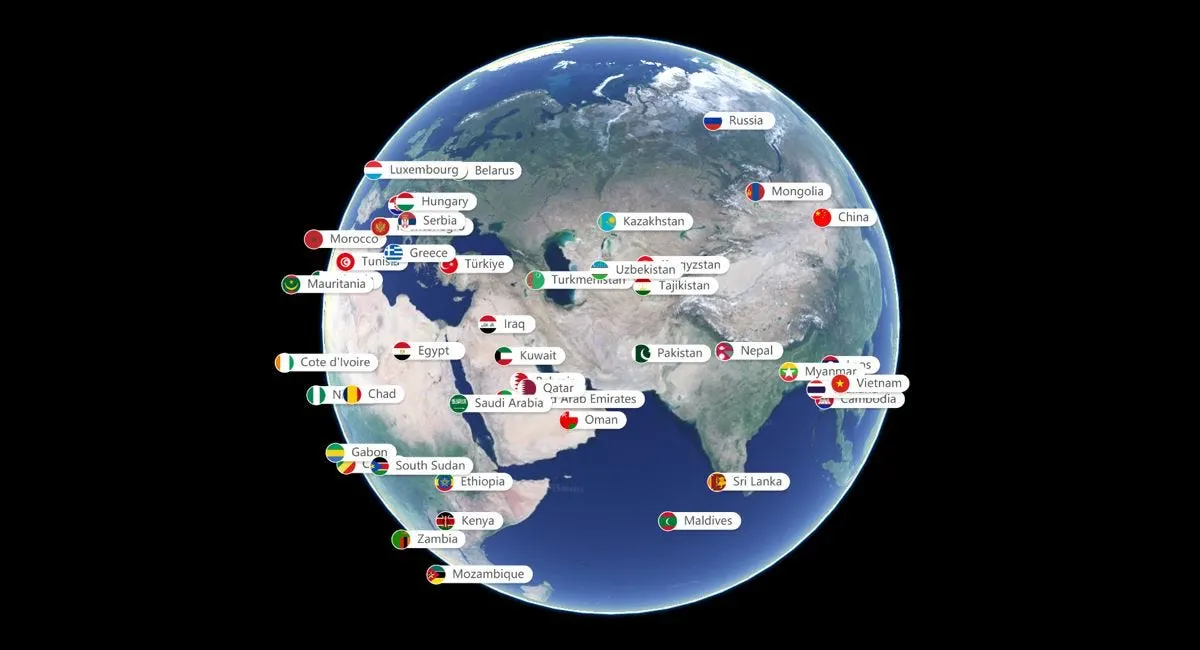
In this latest contribution to the LAIA Observatory’s series on global infrastructures, we analyze the Belt and Road Initiative’s (BRI) impact on Eurasian trade over the past decade. We explore the BRI’s evolution, its critical junctures, and necessary strategic adjustments amidst geopolitical shifts and the emergence of new trade corridors. This piece offers a focused examination of how these elements intertwine, shaping the present and future of regional and global economic landscapes.
Overview
The Belt and Road Initiative (BRI)
Launched in 2013, the Belt and Road Initiative (BRI) is China’s extensive infrastructure and investment project aimed at enhancing global trade connectivity through networks of railways, roads, pipelines, and maritime routes. In the decade since its inception, the BRI has played a significant role in addressing infrastructural gaps, boosting economic growth, and solidifying bilateral relations between China and participating countries.
Significance of the 3rd Belt and Road Forum for International Cooperation
Taking place in Beijing on October 17–18, 2023, the Forum marked a pivotal point in the BRI’s trajectory. It served as a crucial platform for dialogue and partnership formation, playing an essential role in maintaining the initiative’s momentum.
Contextualizing the 10th Anniversary of the BRI
The event coincided with the 10th anniversary of the BRI, a decade that has seen the initiative evolve in scope and approach, with a growing focus on sustainable development. This anniversary offered a moment for evaluation, providing insights for the initiative’s future direction.
Scope of Participation
The 3rd Belt and Road Forum for International Cooperation garnered participation from 23 global leaders, showcasing its international influence. Notably, the attendance of China’s President Xi Jinping and Russia’s President Vladimir Putin underscored the strong ties between the two nations, despite ongoing geopolitical challenges. Additionally, the event hosted delegates from major international entities like ASEAN, the New Development Bank, and the United Nations.
The BRI in Data
Infrastructure Development
Over the past decade, the Belt and Road Initiative (BRI) has driven the construction of a vast network of infrastructure across continents. The initiative has financed more than 3,000 projects, extending from Asia to Africa, Europe, and Latin America. These projects encompass a diverse range of infrastructures, including railways, highways, ports, and energy plants.
Financial Investments and Trade Growth
In terms of financial investments, the BRI has mobilized over $1 trillion, channeling funds into the development of strategic infrastructures. This financial commitment has translated into tangible results, with a substantial increase in trade volumes between China and participating countries. Bilateral trade between China and BRI countries has surpassed $9.2 trillion, witnessing a growth rate that consistently outpaces global trade averages.
Assessment of Regional Development
BRI projects have spurred regional development, boosting connectivity and accessibility. In Asia, they have established economic corridors, invigorating trade and local economies. Africa has seen a rise in industry, with the initiative backing the creation of industrial hubs. In Latin America, a more recent participant, there has been a noticeable increase in infrastructure investment, with a focus on transportation and energy.
Key Regional Infrastructure Projects
Asia
Major BRI Projects and Infrastructural Impact
In Southeast and South Asia, the BRI has financed a slew of transformative projects. In Indonesia, the Jakarta-Bandung High-Speed Railway, valued at $7.3 billion, stands as a testament to China’s infrastructural prowess. China’s investments have also flowed into highways, ports, and energy projects across the region, further intertwining trade relations.
Trade Relations with China
This infrastructural expansion has catalyzed a 30% surge in China-Russia trade in the first half of the year, with projections estimating the annual trade value to exceed $200 billion. In contrast, Sri Lanka’s involvement with the BRI has led to substantial financial obligations, although recent restructuring agreements aim to lighten this load.
Africa
Mombasa-Nairobi Railway and Development Outcomes
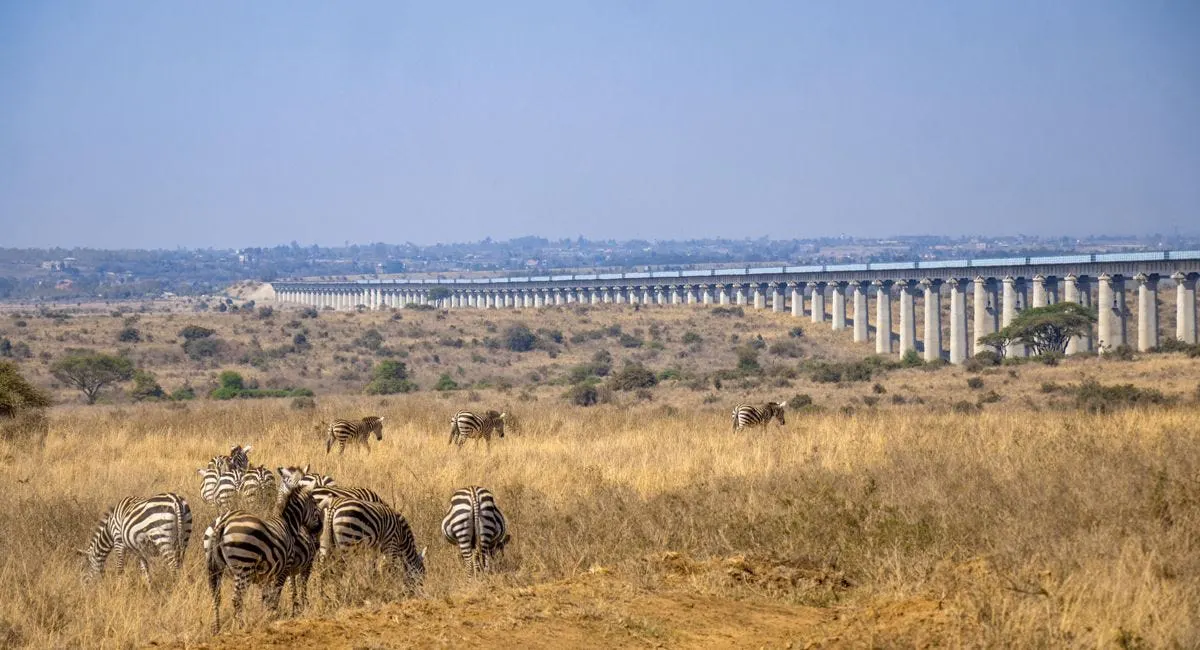
In Africa, the Mombasa-Nairobi Railway emerges as a flagship BRI project, enhancing Kenya’s domestic connectivity and asserting China’s influence in the region. However, the project’s expansion has faced setbacks, with Kenya accruing around $6 billion in debt to China.
Economic Impacts
The railway has undeniably spurred economic activity, yet the halt in its extension to Uganda highlights the complexities of transcontinental infrastructure projects and the financial strains they impose on participating nations.
Latin America
BRI Expansion and Argentina’s Involvement
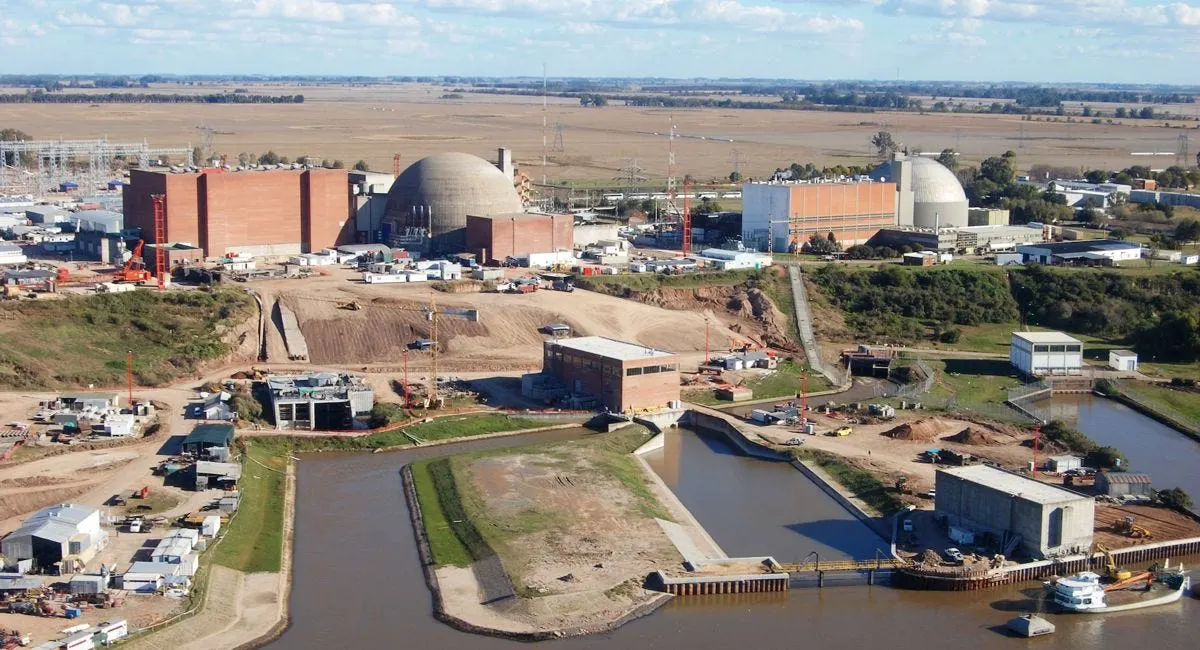
The BRI’s footprint in Latin America is expanding, with Argentina’s 2022 inclusion underscoring this trend. The South American nation is tapping into Chinese investments for diverse projects ranging from railways to nuclear energy, with a noteworthy $8.3 billion nuclear power plant in the pipeline.
Green Technology and Mineral Extraction
China’s interest in Latin America extends to green technology and mineral extraction, with numerous lithium extraction projects underway in Argentina and Chile. This pivot towards sustainable and resource-driven investments aligns with China’s broader ambitions within the BRI framework.
The Debt Aspect
The Belt and Road Initiative, while facilitating unprecedented infrastructure development, has also been a source of significant debt for participating countries. Some nations have found themselves grappling with sizable financial obligations as a result of their involvement in BRI projects.
Factual Data on Debt Situations
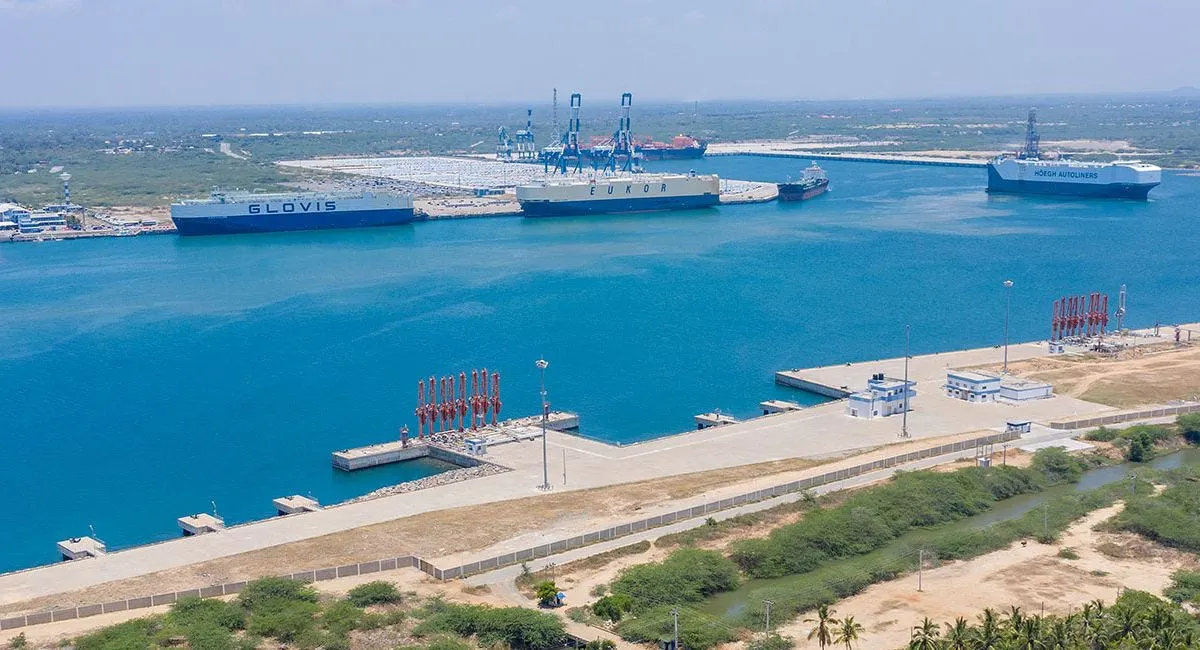
- Sri Lanka: This South Asian nation has incurred around $7 billion in debt to China, financing projects such as highways, a port, an airport, and a coal power plant. The economic strain led to a default on its debts, and as part of its repayment efforts, Sri Lanka handed over control of the strategic Hambantota Port to China on a 99-year lease.
- Kenya: With the Mombasa-Nairobi Railway, Kenya has become indebted to China to the tune of approximately $6 billion. The railway, a key BRI project in Africa, has indeed boosted economic activity but has also raised concerns regarding the country’s ability to manage its financial commitments.
- Argentina: Having joined the BRI recently in 2022, Argentina is seeking Chinese investment across various sectors, including a request for China to fully finance a new $8.3 billion nuclear power plant.
Evolution Over Time and Current Status
- Sri Lanka: The country’s debt crisis culminated in a default, with the former president stepping down amidst a severe economic crisis. Recently, Sri Lanka reached a deal with the Import-Export Bank of China, covering about $4.2 billion of its debt as part of a broader restructuring plan involving other international creditors.
- Kenya: While the Mombasa-Nairobi Railway has spurred economic growth, the pause in the project’s extension has left uncertainties about the country’s debt situation and its capacity to manage future BRI-related financial obligations.
- Russia: Despite being under international scrutiny and facing economic isolation due to its activities in Ukraine, Russia has found an economic ally in China, significantly strengthening their bilateral economic bond through the BRI.
Strategic Outlook
Identification of Current Challenges
The BRI, China’s ambitious endeavor to enhance global infrastructure and economic connectivity, is confronting several challenges critical to its continued effectiveness:
- Debt Sustainability: Participating nations are grappling with substantial debts from BRI projects, underscoring the need for a balanced approach to financial commitments and economic stability.
- Project Implementation Delays: Various factors, including financial constraints, bureaucratic challenges, and global events like the COVID-19 pandemic, have caused delays in BRI projects.
- Reputation and Perception: The BRI has encountered skepticism, particularly from Western countries, sparking concerns about its intentions and the risk of debt-trap scenarios. Enhancing transparency and addressing these perceptions is vital.
Areas of Focus Moving Forward
To address these challenges, it will be necessary to strategically focus on the following areas:
- Financial Transparency: Establishing clear and robust mechanisms for debt management and financial transparency is critical. This involves providing transparent lending terms, ensuring project viability, and assisting countries struggling with debt.
- Diversification of Projects: Broadening the BRI’s project portfolio to encompass sectors like digital infrastructure and green technology will contribute to its resilience and relevance.
- Adapting to Global Changes: Remaining agile and responsive to global shifts, whether in economics, technology, or unforeseen crises, is essential for the BRI’s ongoing success.
Geopolitical Implications and Emerging Corridors
The rise of the Middle Corridor and IMEC is introducing new dynamics to Eurasian trade, providing alternatives to the BRI and potentially shifting China’s role in global infrastructure:
- Turkey’s Middle Corridor: Serving as a crucial connection from China to Europe, the Middle Corridor bypasses Russia and positions Turkey as a potential Eurasian trade hub. The initiative’s success hinges on China’s reaction and the role it envisions for this new route.
- India-Middle East-Europe Economic Corridor (IMEC): Initiated in 2023, IMEC aims to create a direct economic link from India to Europe via the Middle East. Supported by major players like India, the US, and EU nations, IMEC poses a strategic challenge to the BRI, demanding a nuanced and strategic recalibration from China.
Further explore the dynamics of Eurasian trade and infrastructure developments in our related articles on India-Middle East-Europe Economic Corridor (IMEC) and Turkey’s Middle Corridor (available soon).
Discover more from LAIA Observatory at laia.org and join the conversation on the future of global infrastructures and regional development.
Originally published on Medium on 3 November 2023: read the original.