The Lab · Smart Geoanalysis
TYPE
Territorial analysis
LOCATION
Spain
SCOPE
8,112 settlements
RESULT
114 isolated towns
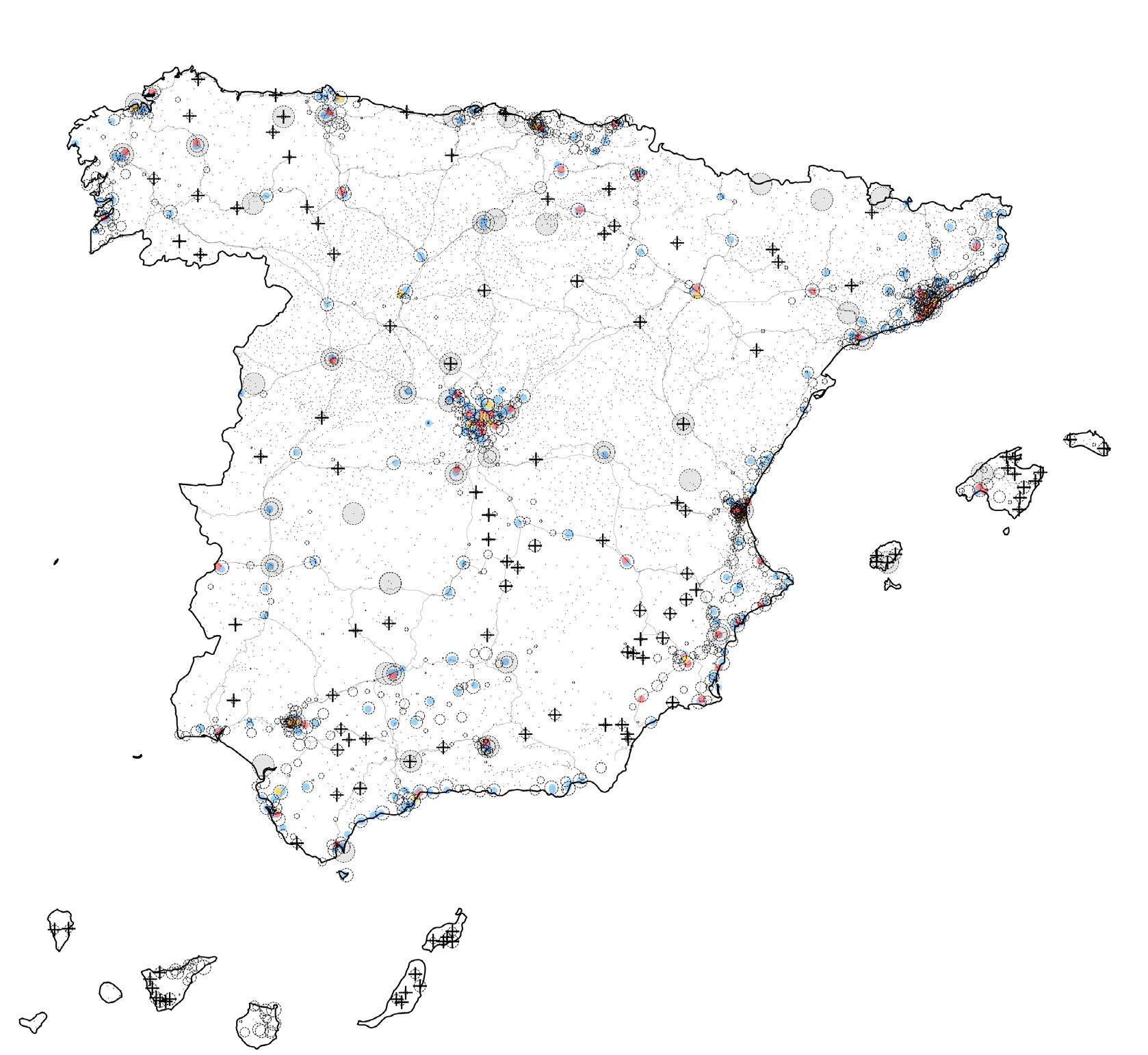
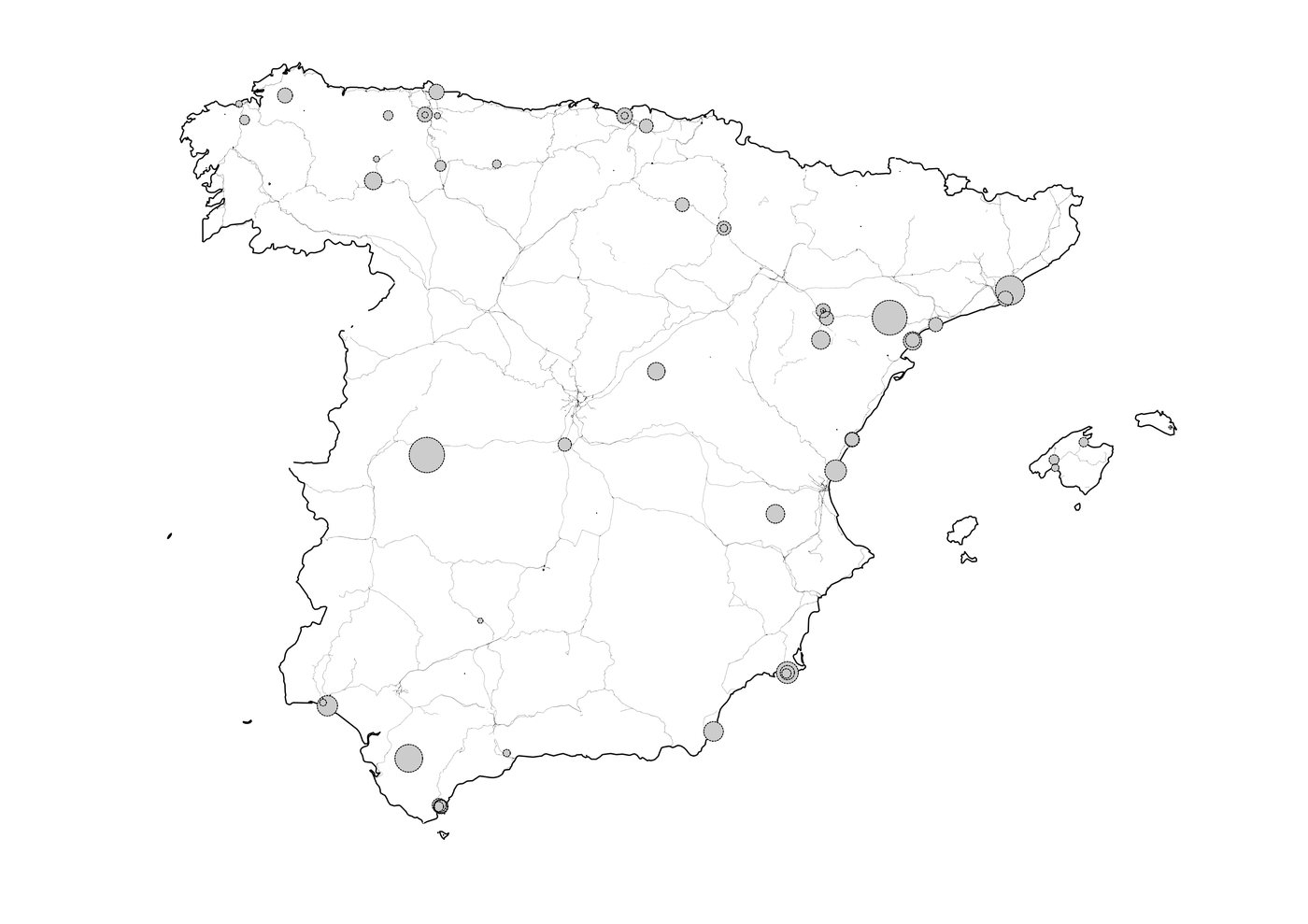
114 settlements in Spain with over 10,000 inhabitants that are increasingly isolated.
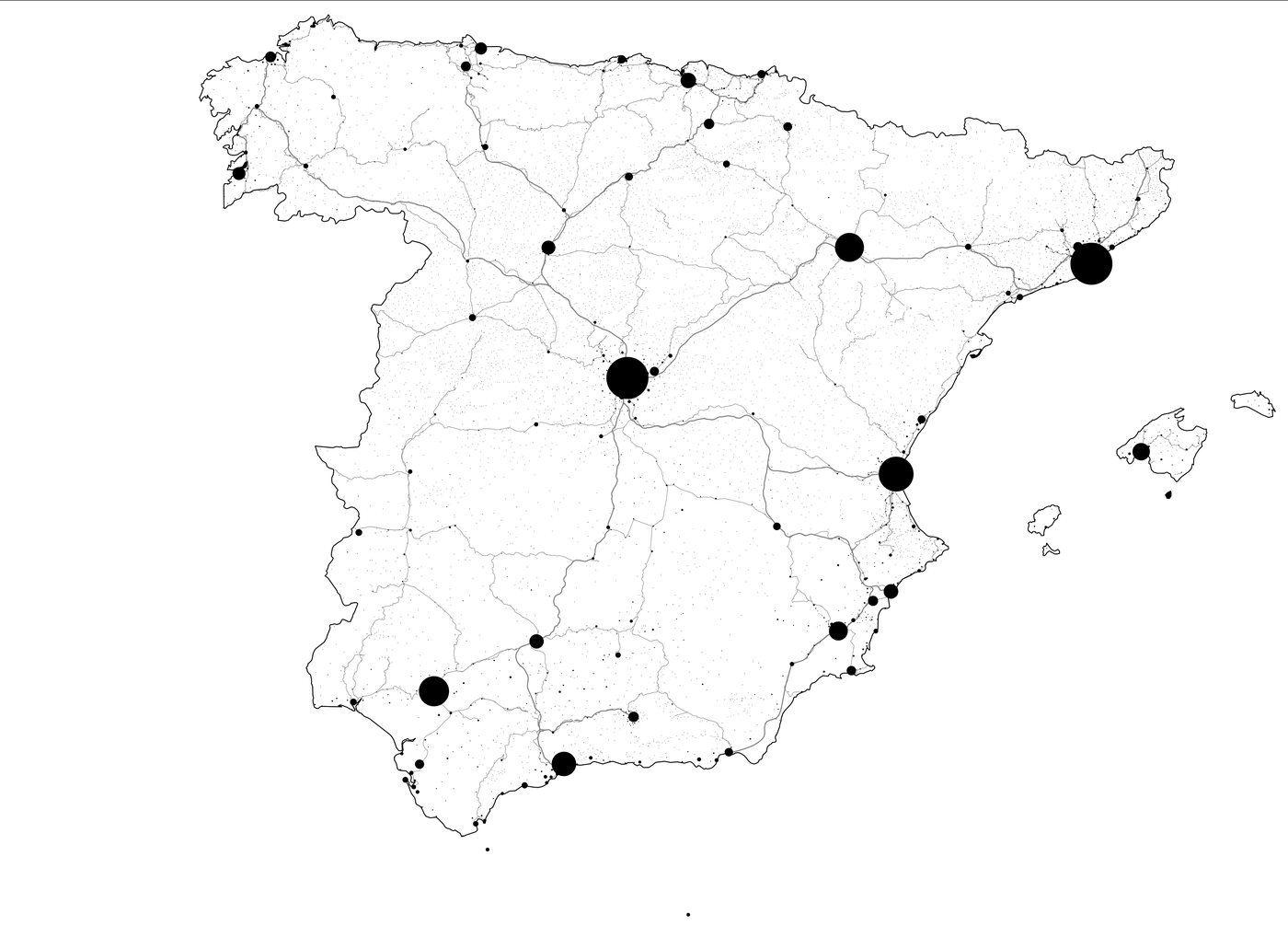
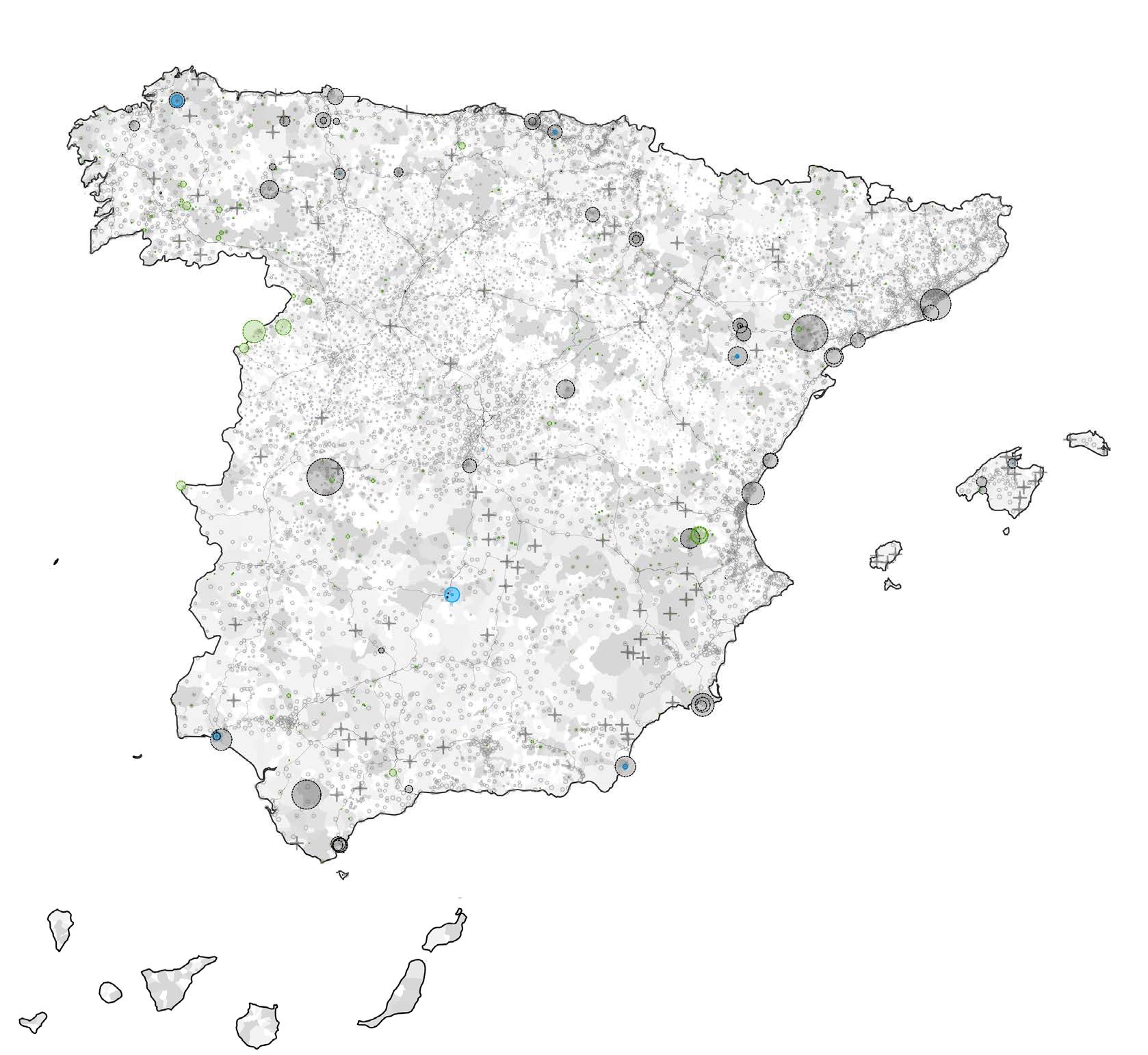
AlcañizCircles use a logarithmic scale.
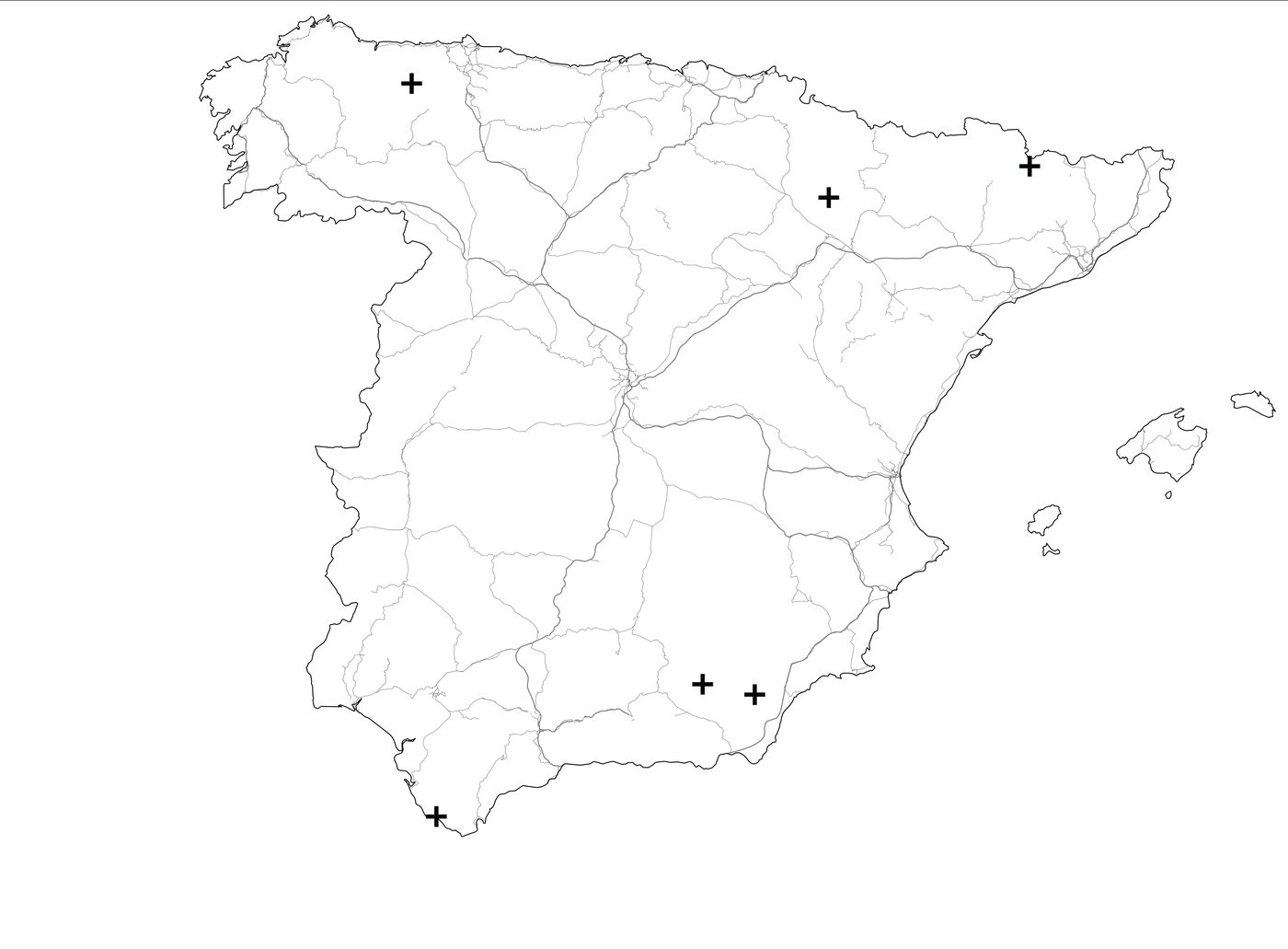
The two filters, from all of Spain to the 114 crosses on the map.
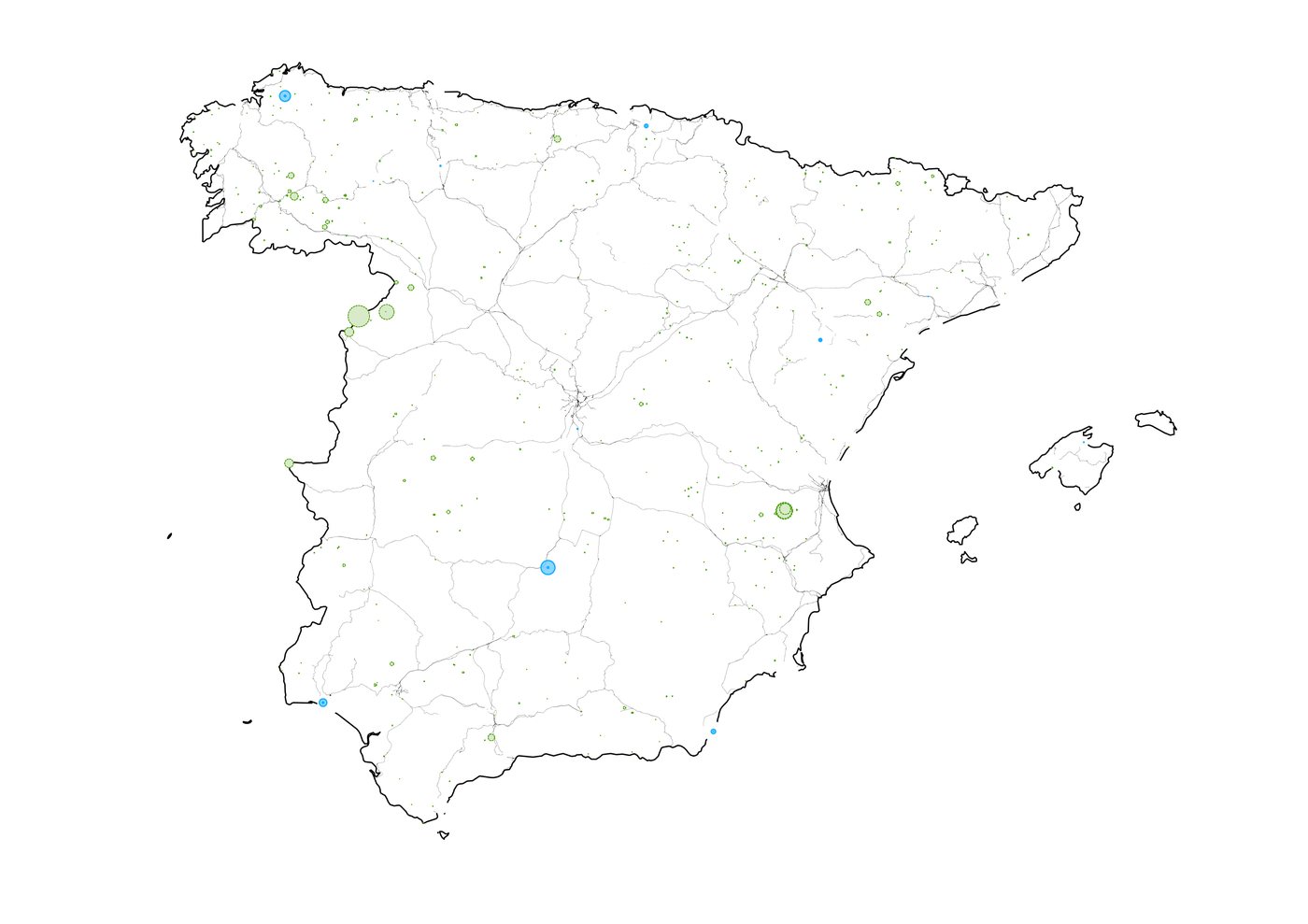
The same settlements against the energy plants of each region, and the railway they could be reconnected to.
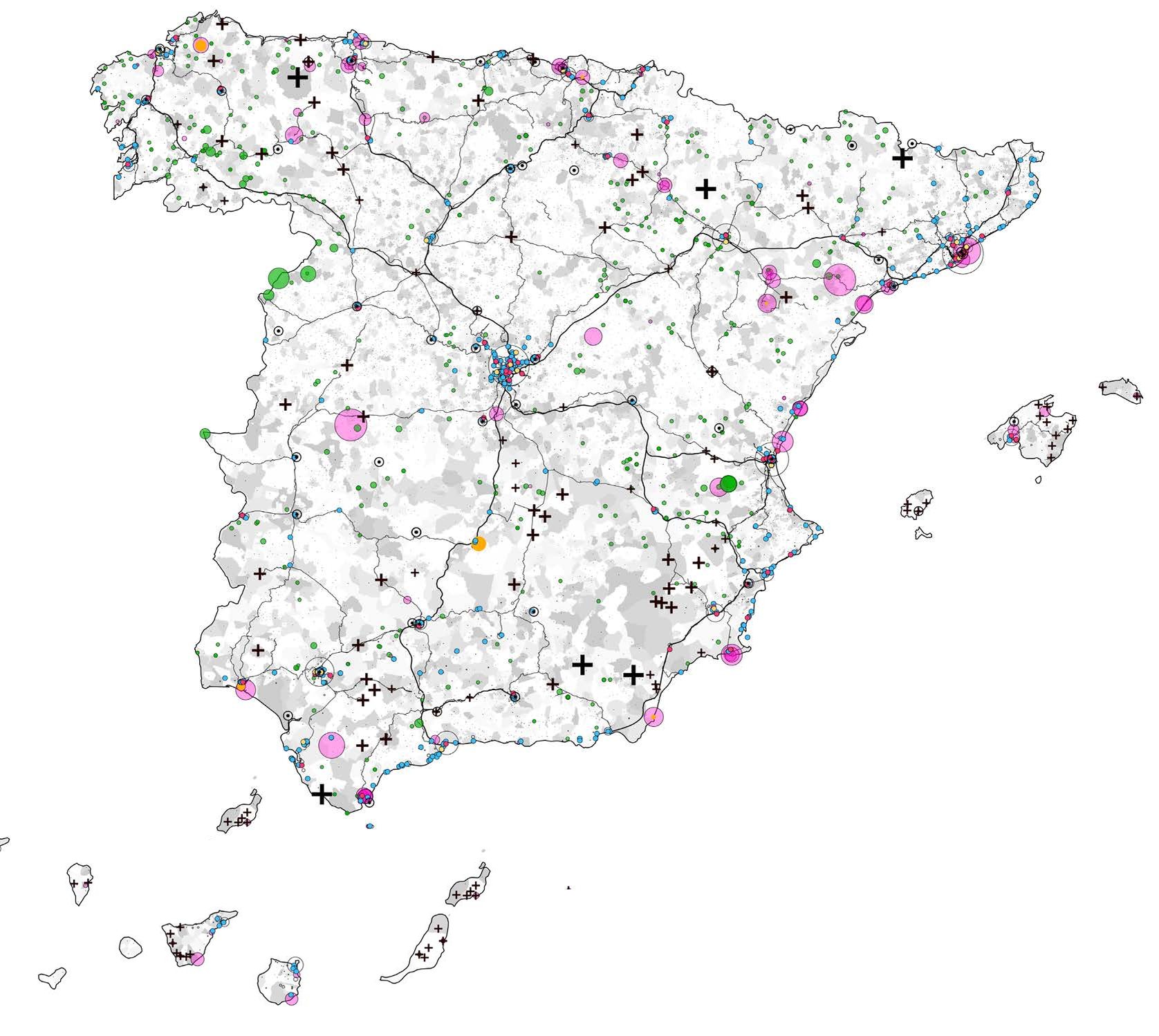
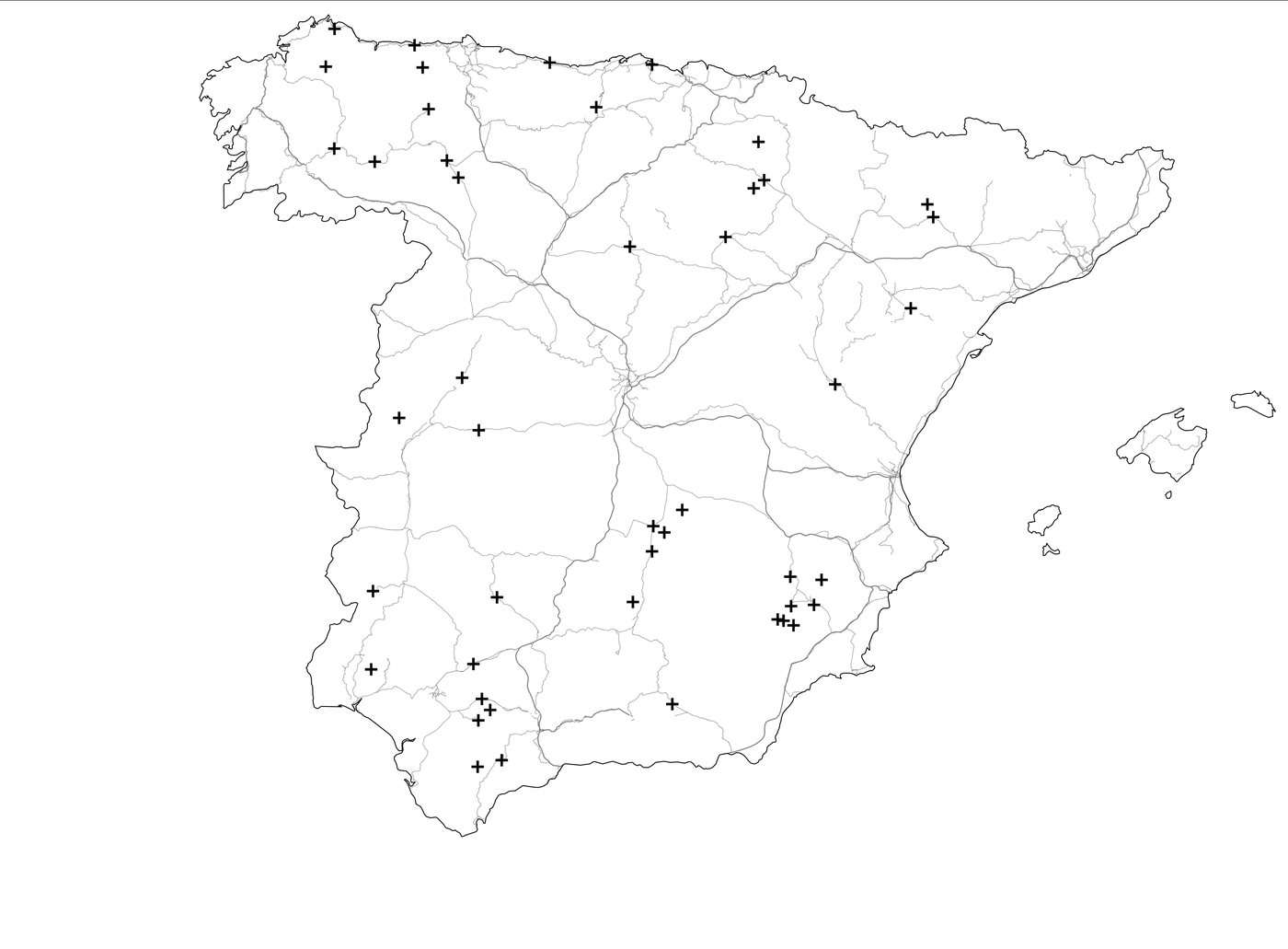
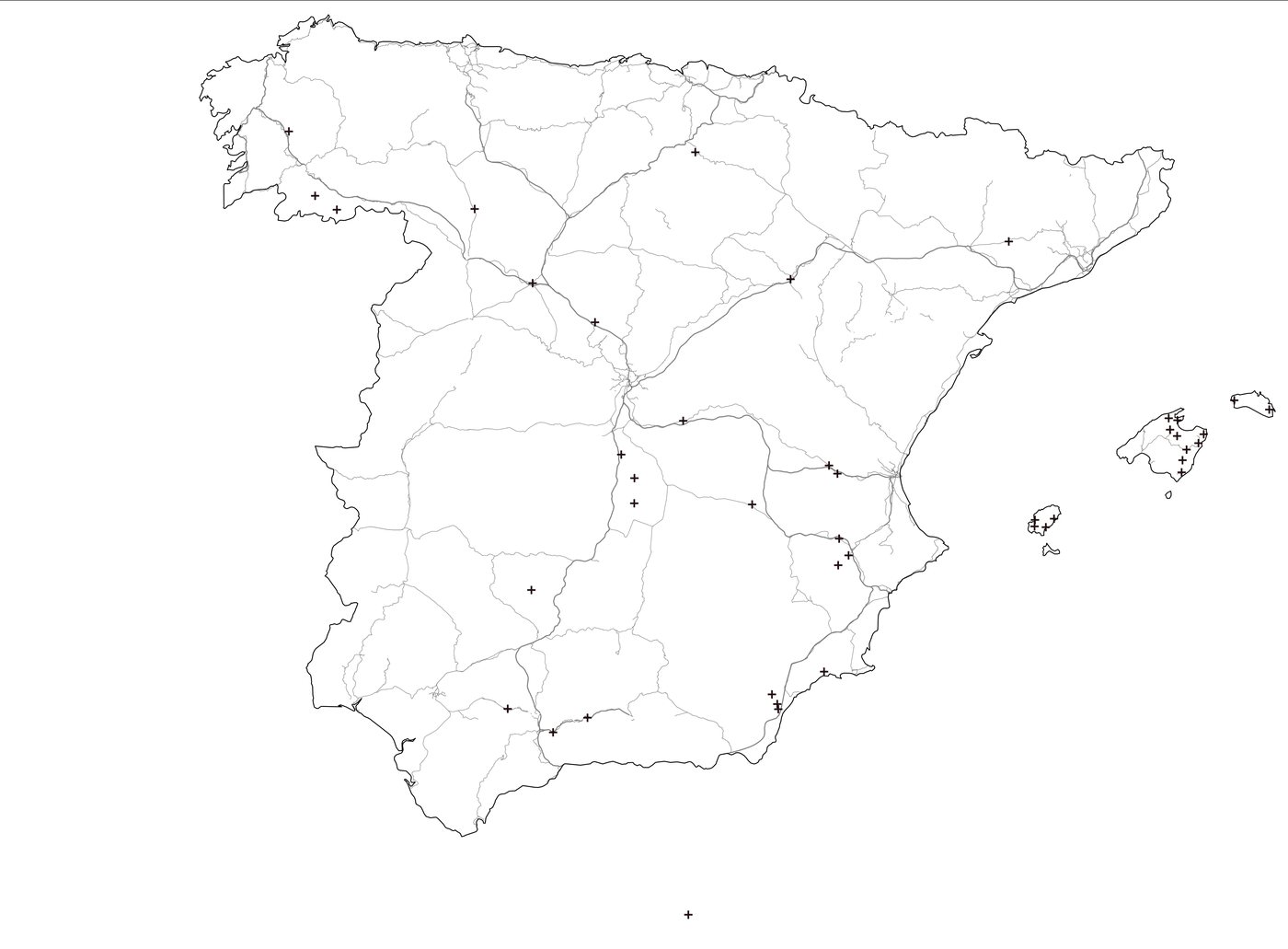
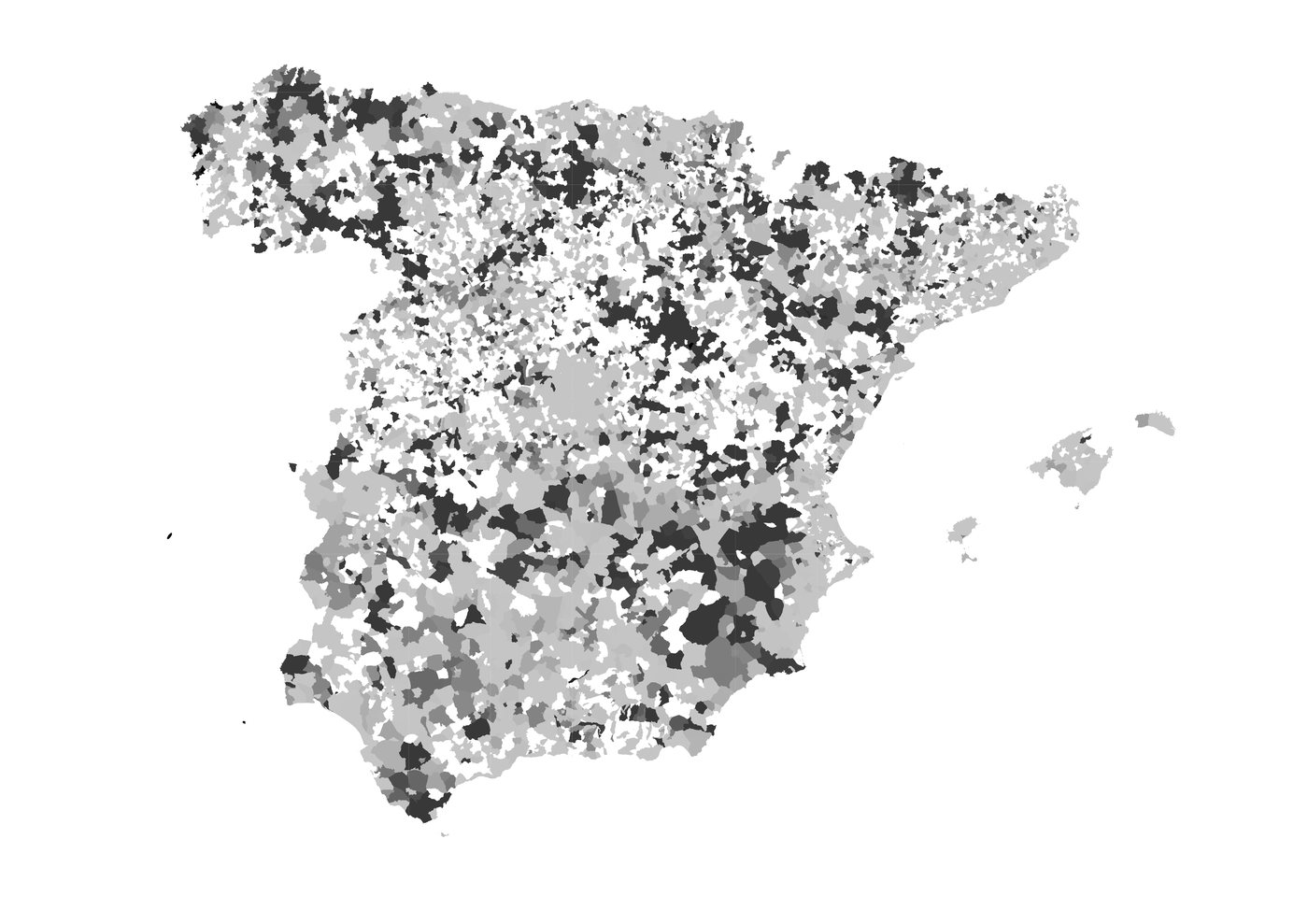
Energy produced per inhabitant in each municipality, with the plants that produce it.
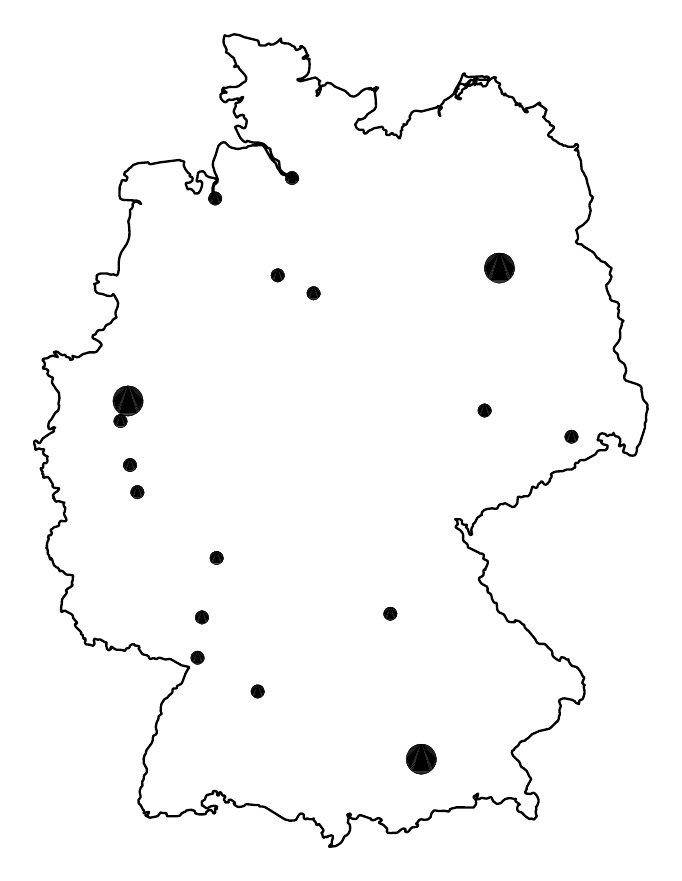
The European Investment Bank has lent to Spain for less time than to Germany, but more money. Germany put most of it into industry; Spain put it into transport, which adds little access to rural Spain.
Germany EIB lending
Germany 48,500 km of railway
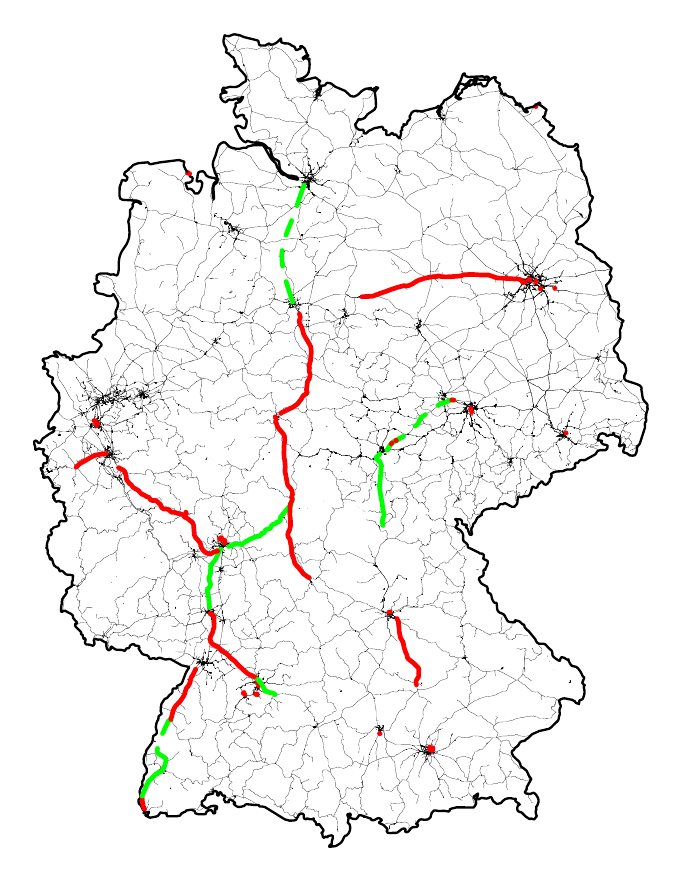
Germany rural areas: over 50% of GDP
Spain EIB lending
The black arc: €11.2 bn invested in high-speed trains between 2000 and 2017.
Spain 21,900 km of railway
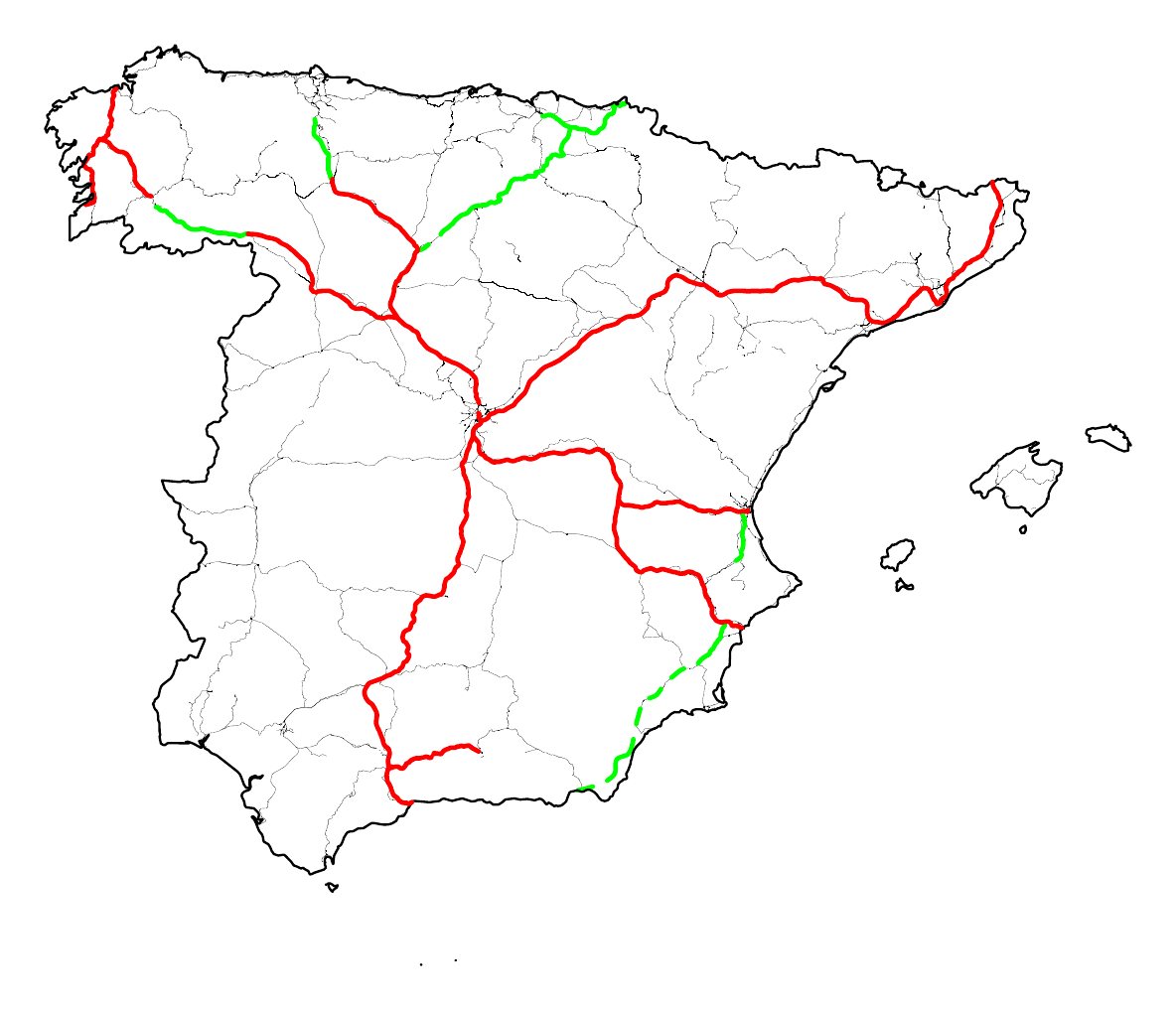
Spain rural areas: 20–30% of GDP
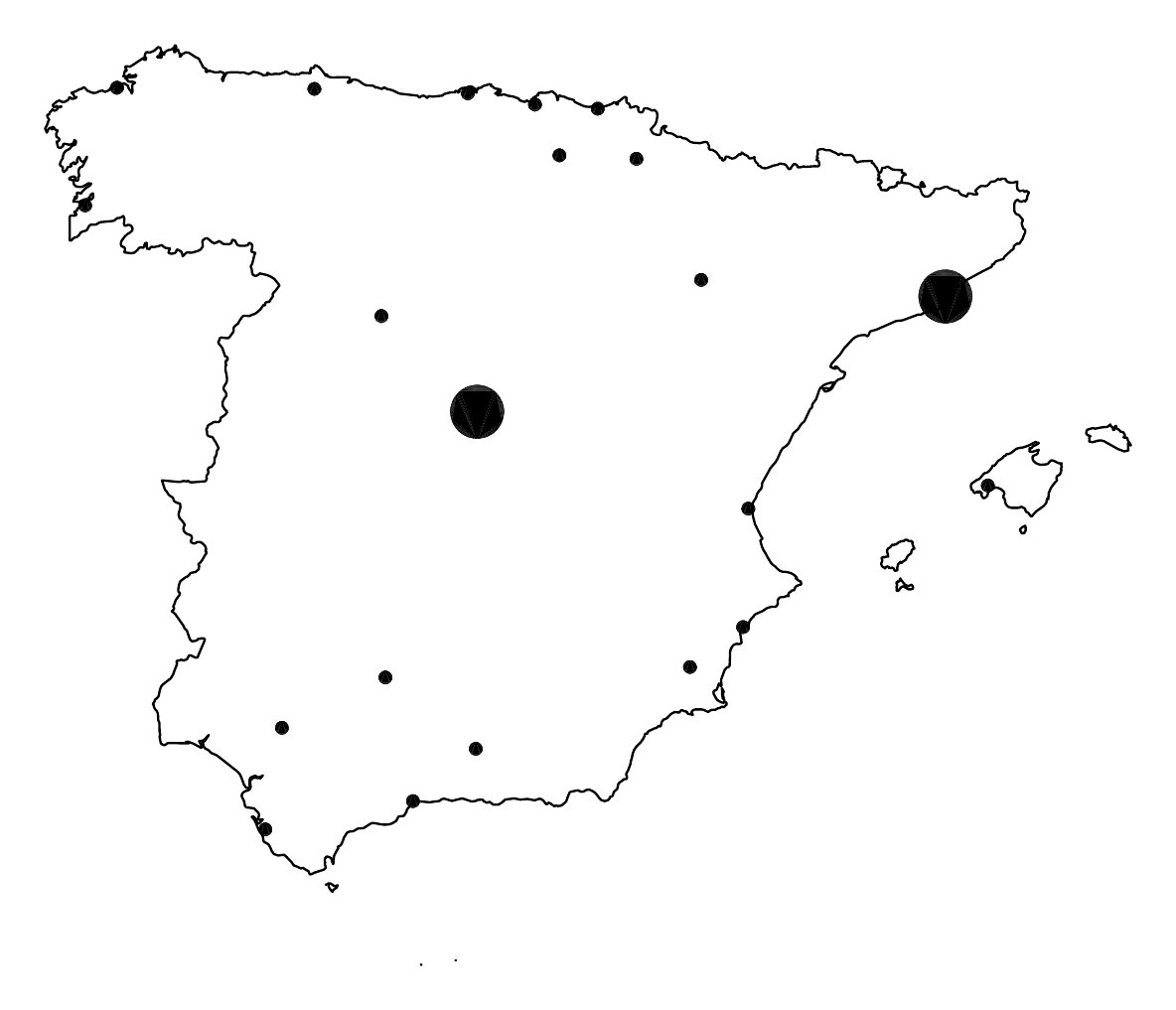
Ranked by kilometres of high-speed rail. Adjusted for area and population, Spain has the most high-speed rail of all six: about three times China's per square kilometre and five times per person.
After the Civil War, railway recovery focused on the main lines and left many rural lines aside. As car use grew, those lines lost their passengers and stopped paying for themselves. The result is over 7,000 km of abandoned railway. Germany has 48,500 km of railway against Spain's 21,900 km, in a smaller country.
Rural areas contribute 20–30% of Spain's GDP, against over 50% in Germany. Spain's productive power is concentrated in its cities, which leaves room to develop rural areas and spread national wealth more evenly.